Finance and Health Lab National Conference

On 19 March, FinTech Scotland hosted the Finance and Health Lab (FHL) National Conference at the Edinburgh Futures Institute, marking the completion of Phase 1 of this programme. The event brought together leaders from financial services, fintech, academia, government, healthcare, and the third sector to share learning from academia, industry, and from the Lab’s first Innovation Stimulation Open Call and to explore the future of financial wellbeing in an ageing society.
The Finance and Health Lab was established to address a growing reality: as populations age, financial health and physical health become increasingly interconnected. Changes in income, housing, care needs, cognitive capacity, and social circumstances create complex challenges that sit across multiple systems. No single sector can address these alone. FHL was designed to catalyse collaboration, evidence-led innovation, and practical experimentation to improve outcomes for people in later life.
Setting the Context
The conference opened with reflections on the programme’s purpose and progress to date. Discussions on the implications of demographic change highlighted both the scale of the challenge and the opportunity for innovation. An ageing society is not simply a policy issue. It reshapes how financial services must operate, how products are designed, and how support is delivered across the life course.
A research showcase featuring leading academics explored the evolving relationship between health and wealth in later life. The evidence underscores that financial insecurity and poor health often reinforce one another, yet services are rarely designed with this interplay in mind. Bringing rigorous research into direct dialogue with industry practitioners is a core objective of the Lab.
Designing Future-Ready Services
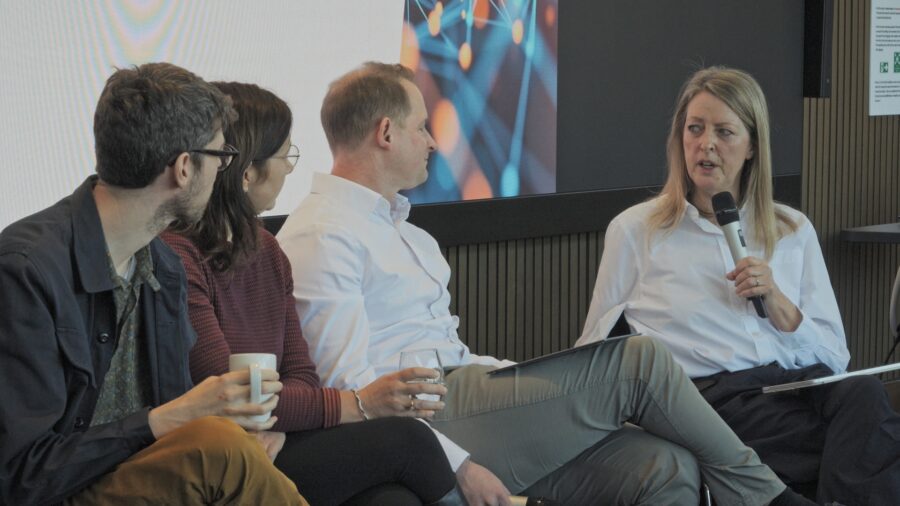
An industry panel examined what it will take to build financial services that remain effective as customers age. Trust, accessibility, and long-term resilience emerged as central themes.
Participants highlighted the need to move beyond reactive support models toward proactive approaches that anticipate vulnerability and support people through major life transitions.
Importantly, the discussion recognised that innovation in this space must balance commercial sustainability with public benefit. Aligning these objectives is challenging but essential if solutions are to scale.
Showcasing Innovation
The afternoon sessions highlighted solutions developed through the Innovation Stimulation Open Call. Participating startups delivered rapid demonstrations of tools and platforms addressing issues such as financial vulnerability, planning for later life, support for carers, and accessible digital services. Follow-up discussions allowed founders to engage directly with industry stakeholders and policymakers.
A session led by Smart Data Foundry demonstrated how responsibly governed data can generate new insights into the links between financial behaviour and broader social determinants of wellbeing. This work illustrates the potential for data to support more targeted interventions while maintaining public trust.
Collaboration in Practice
Throughout the day, one message was clear: progress in this space depends on sustained collaboration. The Lab has created a structured environment for organisations that do not typically work together to share expertise, test ideas, and identify barriers to implementation.
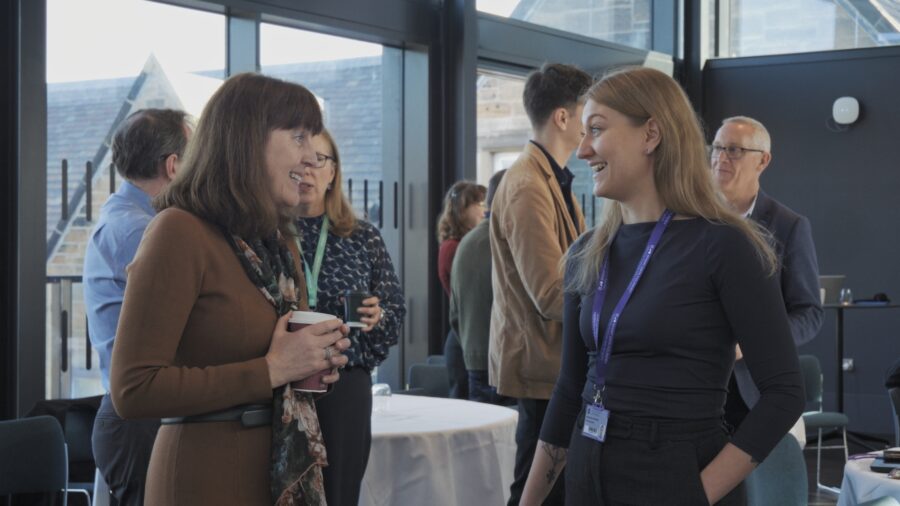
Beyond the formal sessions, the conference enabled valuable informal engagement among senior leaders across sectors. These conversations are critical for building the partnerships required to translate early innovation into real-world impact.
Key Insights from Phase 1
The closing discussion reflected on what the programme has demonstrated so far:
- Financial health in later life is a systemic issue requiring cross-sector solutions
- Evidence, lived experience, and innovation must be integrated from the outset
- Trust, accessibility, and dignity are foundational design principles
- Data can unlock new approaches when used responsibly
- There is strong appetite across industry and public services to continue this work
Phase 1 has shown that structured collaboration can move beyond dialogue to tangible experimentation and learning.
Looking Forward
The National Conference marked an important milestone, but not an endpoint. The insights, partnerships, and prototypes developed through the Finance and Health Lab provide a foundation for future phases of activity.
FinTech Scotland remains committed to working with partners to advance solutions that support healthier, more financially secure lives as people age. The challenges are significant, but so is the opportunity to redesign systems around real human needs.
Phase 1 has demonstrated what is possible when diverse sectors come together with a shared purpose. The next stage will focus on deepening this work and translating innovation into scalable impact.
What is on this page:

Related content
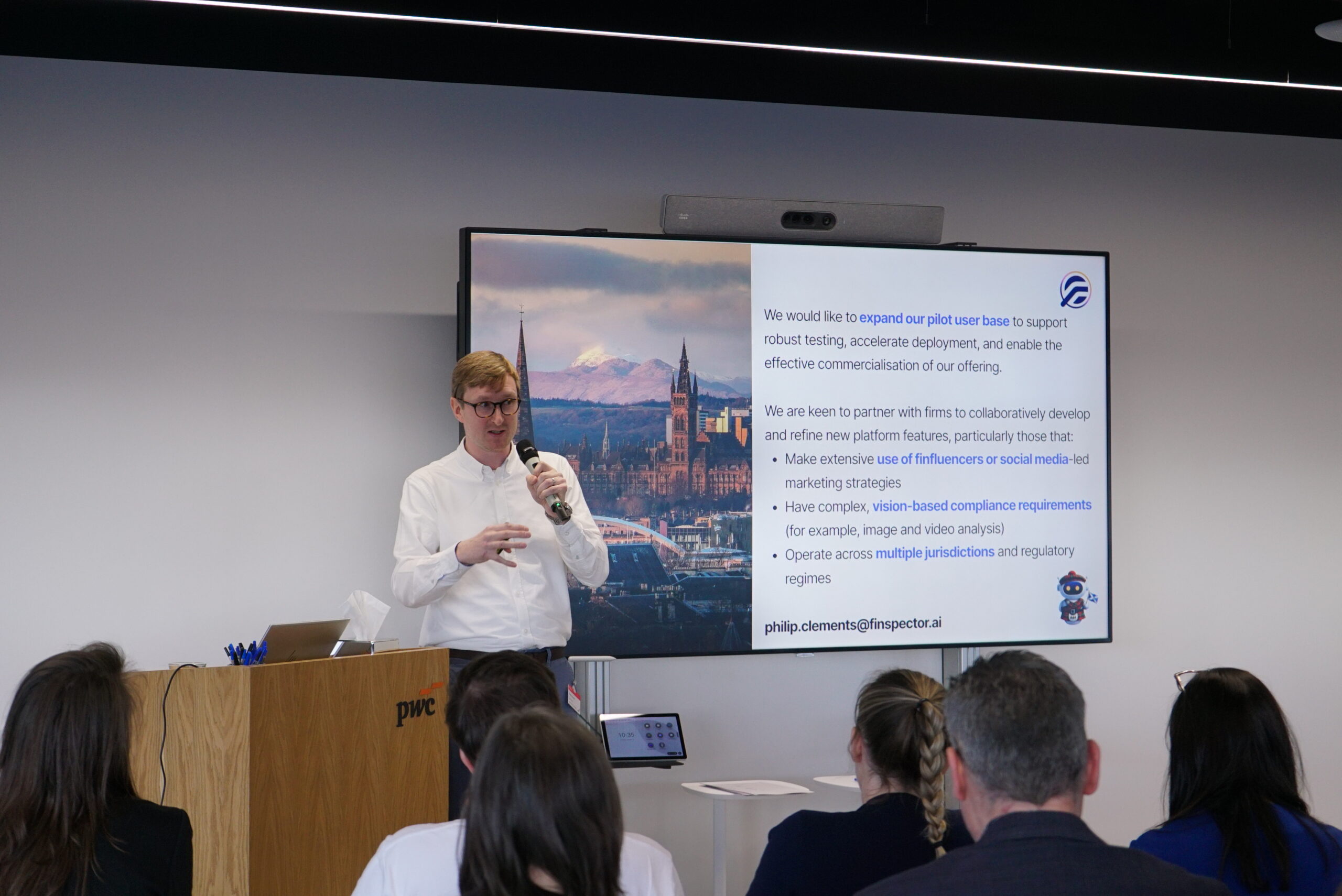
From innovation challenge to Scottish ambition: How Finspector is building the future of financial promotions compliance

Towards a Fairer Financial System: Insights from Gillian Docherty and Clare Reid