
In conversation with Financial Services: Why innovation really matters
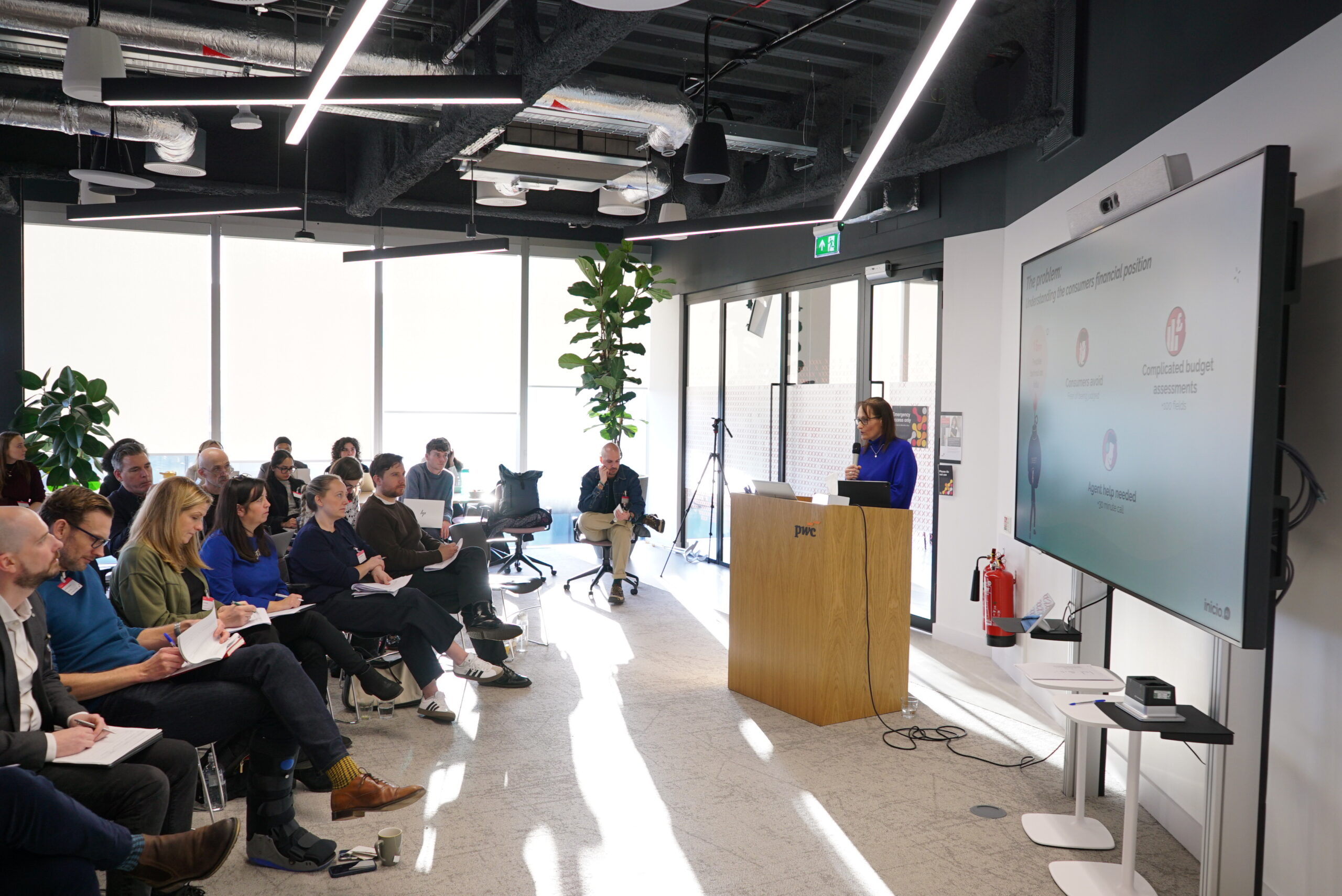
The term ‘innovation’ might bring to mind a race for better technology, systems and smarter data, but beneath it all lies a fundamental question: how do we create a fairer financial future for all?
For most people, financial advice isn’t about products, platforms, or policy. It’s about life: buying a first home, protecting a family, surviving a setback, or planning for a future that feels uncertain.
Yet for millions, financial advice remains out of reach.
As one of the most significant regulatory shifts in recent years begins to reshape how people access financial support, the financial services sector is radically reshaping how advice and guidance is delivered.
This is just the kind of challenge that our pioneering Innovation Calls take on, led by our team in the Financial Regulation Innovation Lab (FRIL). Our latest call focused on the Financial Conduct Authority’s (FCA) Advice Guidance Boundary Review, a technical name for a very human issue: how to make financial help clearer, fairer and available to far more people.
Bringing together fintech founders, academics, financial services leaders, and regulators, FRIL’s Innovation Call creates a space where policy, practice, and possibility meet.
Here, we speak with two financial services leaders involved in the call to find out more about why innovation is so important to their firms, as well as the future of the sector:
- Maria Herrero Bullich – Chief Customer and Digital Officer, Insurance, Pensions & Investments at Lloyds Banking Group.
- Kate Murray – Strategic Projects Lead, Scottish Widows & Lloyds Banking Group.

Addressing the Big Picture
“For me, the utopia is that everyone who wants to do the right thing for their future has real choice. Whether they’re looking for simple guidance, clearer recommendations, or full financial advice. What matters is that people have different options, depending on their needs, and the freedom to decide which path is right for them,” explains Maria.
“It’s important to us to close the advice gap by building tools that help people think about their futures, especially those who can’t afford traditional advice, so they still have access to clear, targeted support when making important financial decisions.”
And this work matters, because the numbers are concerning. Millions of people across the UK still receive no financial advice at all, and while support exists, it is often out of reach for those who need it most.
The Advice Guidance Boundary Review represents a critical moment for the sector, an opportunity to ensure that more people can finally access support when making some of the most important decisions about their money.
Kate explains: “Our purpose is to help more people secure their financial futures, in a way that aligns with our wider goal of helping Britain prosper. There’s a real advice gap in the industry, and whether someone is our customer or not, we want to help fill that void so more people can move towards a more prosperous financial future.“
“At one end of the spectrum, people can’t afford advice –so they self-serve through available guidance, but don’t know what to do with it. At the other end, people can access full, holistic advice. In the middle, many don’t know how to save, invest or prepare for retirement. That’s where we see innovation and new solutions helping people understand their next step, whether that’s saving and investing more, planning for retirement, or putting more into their pension.”
Meeting Consumer Needs
And when we look more closely at this issue, it becomes clear that a one-size-fits-all approach simply won’t meet the diverse needs of consumers. Across the industry, firms are increasingly focused on developing more tailored ways to support those who are currently slipping through the advice and guidance net.
Maria explains: “There are parts of society that face very different challenges, from the gender gap in pensions to younger generations trying to save for the future. We’re focused on how to bring people who often have less financial confidence into the conversation and help them think about their futures.“
“Different groups need to be engaged in different ways. Younger people can be hard to reach, so we use techniques like gamification to encourage them to start those conversations. Others, such as people who feel less confident about investing, or women who may have taken career breaks and are worried about having enough for a comfortable retirement, face different barriers.”
These are very real issues, affecting everyday lives. Kate stresses the impact of what happens if the gap isn’t closed:
“Through work like our annual Women in Retirement report, we can see a massive gap in people’s financial futures. Significant proportions of society, who are working today, are on track to reach retirement without enough money, and that means going from work to a retirement in poverty.“
“That’s a serious problem, not just for individuals, but for the UK as a whole. It’s a systemic, government-level issue that needs to be addressed now, to prevent that happening for people as much as possible.”

Future Solutions Now
Finding solutions to these challenges requires a collaborative approach – different perspectives, experience and skillsets. That’s why this FRIL Innovation Call matters so much.
“It’s been so interesting to meet the fintechs and to connect with strategic partners, to better understand what they can bring to help us move at pace and innovate – so we can, at scale, support more customers to secure their financial futures,” says Kate.
“It’s been so interesting to meet the fintechs and to connect with strategic partners, to better understand what they can bring to help us move at pace and innovate – so we can, at scale, support more customers to secure their financial futures,” says Kate
“This is a huge opportunity for us. Scottish Widows has been involved in earlier calls, and this feels like a real chance to do things differently. At Lloyds Banking Group, we’re constantly trying to change how we innovate and move faster. Bringing in outside thinking, new technology, and completely different perspectives helps us bridge that and go quicker.”
And that’s why innovation in financial services is about far more than technology, systems, and data. As Maria puts it:
“We focus on creating experiences that aren’t built around products, but around people. It’s about understanding what they need, where the gaps are, and how to help them close them.”
The Advice Guidance Boundary Review. Just what does it all mean?
Advice: A regulated service where a financial adviser looks at your full financial situation and gives you a personalised recommendation.
Guidance: Support that points you in the right direction based on limited information you share, without telling you exactly what to do.
Boundary: The line that separates advice from guidance, defining how much information is needed and what a firm can or can’t recommend.
Review: The regulator’s process of consulting industry and consumers, and government to create clear new rules that will shape how these services work in future.
What next?
Enjoyed this piece? Hear from the perspective of the fintechs involved in the call. If you’re interested in the work of FRIL more generally and would like to contact a member of the team email: FRIL@fintechscotland.com.
About FRIL
What is on this page:

Related content
From innovation challenge to Scottish ambition: How Finspector is building the future of financial promotions compliance

Towards a Fairer Financial System: Insights from Gillian Docherty and Clare Reid